Last winter I had a bad night. The kind where you want to call someone, anyone, just to not be alone in your own head for a bit. I scrolled my phone. Hundreds of contacts. Dozens of people I'd "liked" that week. And I realized, with a cold little jolt, that I couldn't think of a single person I'd actually call at 2am without feeling like a burden.
That's when I learned there's a name for this. The friendship recession.
The stats are genuinely bleak. About one in six Americans now says they have no close friends at all, up from one in thirty-three back in 1990. Thirty-three to six. And the time we spend with friends has dropped by more than a third since the early 2010s. So if you've felt quietly lonelier than you think you should be, you're not broken. You're living through a measurable, society-wide thinning-out of close connection. It's not just you. It's almost everyone.
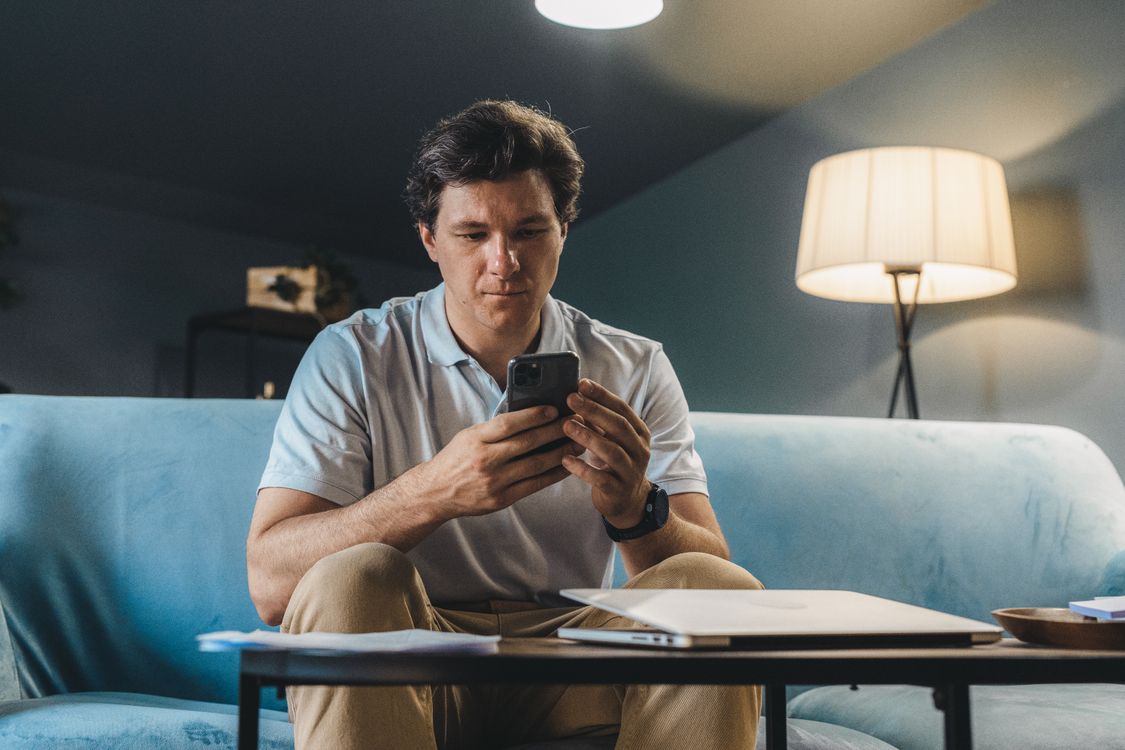
A person sitting alone on a couch at night, holding phone , warm lamp light
I found that weirdly comforting and also a kick in the pants. Because knowing it's structural doesn't fix your specific Tuesday. So I decided to treat my friendships like they actually mattered, on purpose, with effort, the way I'd treat anything I didn't want to lose.
Here's what I did, and what I learned doing it.
First, I got honest about the difference between contacts and friends. I have plenty of the former. People I'll wave to, comment on, have a pleasant fifteen-minute chat with. That's not friendship. That's ambient social texture, and I'd been mistaking it for the real thing because it scratches just enough of the itch to keep you from noticing you're starving. The little dopamine hit of a like is not a friend remembering your mom's surgery and texting to ask how it went.
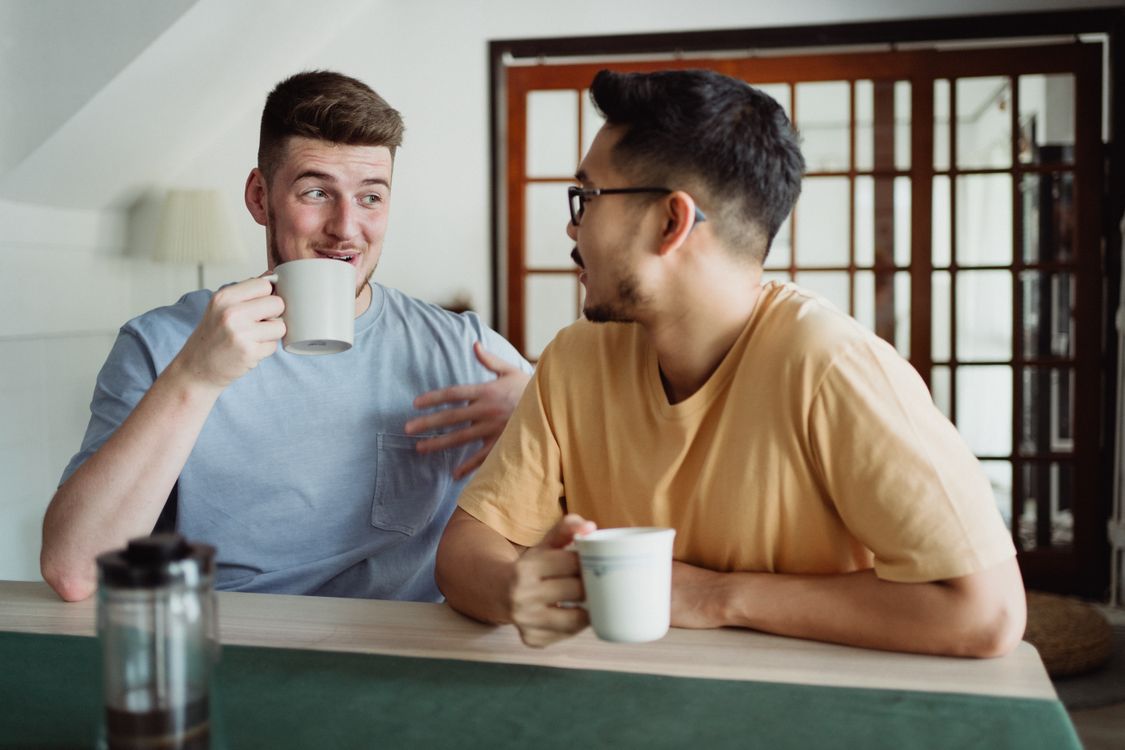
Two friends really talking over coffee at a kitchen table, leaning in, no phones visible
So I picked three people. Just three. People I genuinely liked and had let drift. And I started showing up for them like it was a small job. Not grand gestures. A text that wasn't a meme, an actual "how are you really." A standing monthly thing on the calendar so it didn't depend on the chaos of spontaneous plans, which never happen anymore because everyone's tired. This is apparently a whole trend now, "slow friendship," investing deeply in a small, intimate circle instead of spreading yourself across a hundred shallow ties. I didn't know it had a name when I started. I just knew the wide-and-shallow approach had left me with 400 followers and no one to call.
The early texts felt awkward, I'll be honest. Reaching out after a long drift carries this irrational fear that they'll think it's weird. Here's what I found: nobody thought it was weird. Every single one of them was a little relieved. Because they were in the friendship recession too. They'd also been waiting for someone to go first. Me reaching out gave them permission to admit they'd missed it.
The other thing that helped, weirdly, was getting off the apps for the connecting part. "Soft socializing" is the buzzword, low-pressure, comfortable hangouts, and there's a whole movement of in-person hobby groups and even no-phone social clubs popping up because people are starving for the real thing. I joined a low-key walking group. No agenda, no performance, just humans walking and talking. It is the least impressive thing I do all week and it's done more for my actual mood than any amount of scrolling.
Let me be honest about the hard parts, because I hate when these pieces pretend it's easy. It takes time I don't always feel I have. Some reconnections didn't take, and that stung. One person I reached out to clearly didn't have the bandwidth, and I had to let that be okay rather than read it as rejection. Deep friendship is less efficient than the scrolling kind. That's exactly the point, and it's also why it's so easy to let it slide.
But six months in, the 2am problem is solved. I have, now, two or three people I could genuinely call, and the knowing-that has changed my baseline. I feel held in a way I didn't, by a tiny number of real ties instead of a huge number of fake ones.
If any of this is hitting close, here's my gentle nudge. Pick one person. Just one. Text them something real this week, not a meme, an actual question. Then put a recurring date on the calendar so it survives the chaos. You'll feel awkward. Do it anyway. They're probably waiting too.
We built our whole social world around being connected to everyone and close to no one. Turns out the fix isn't more connections. It's fewer, deeper ones, watered on purpose.
Three people. A walking group. A standing date. That's the whole recovery plan. It's not impressive. It worked.